Discover what to eat and what to apply naturally for your specific skin type. Your kitchen holds the best skincare secrets.
Different skin types need different foods and care. Select your skin type to get personalized guidance.
Oily skin produces excess sebum, often leading to enlarged pores, shine, and breakouts. The good news? Your diet can regulate oil production significantly.
Best for: Absorbing excess oil and tightening pores
How to use: Mix into a smooth paste. Apply evenly on face, avoiding eyes. Leave for 15 minutes until semi-dry. Wash with cool water. Use 2-3 times per week.
Best for: Controlling breakouts and excess oil
How to use: Grind neem leaves into paste. Mix with curd, besan and honey. Apply for 20 minutes. Rinse with lukewarm water. Use twice weekly.
Don't over-wash your face! Washing more than twice daily strips natural oils, causing your skin to produce even MORE oil to compensate. Gentle balance is key.
Dry skin lacks moisture and natural oils, leading to flakiness, tightness, and premature fine lines. The right fats and hydrating foods can transform dry skin from within.
Best for: Intense hydration and softness
How to use: Mash banana, mix all ingredients until smooth. Apply generously. Leave for 20 minutes. Wash with lukewarm water. Use 2-3 times weekly in winter, once weekly in summer.
Best for: Nourishing dull, dehydrated skin
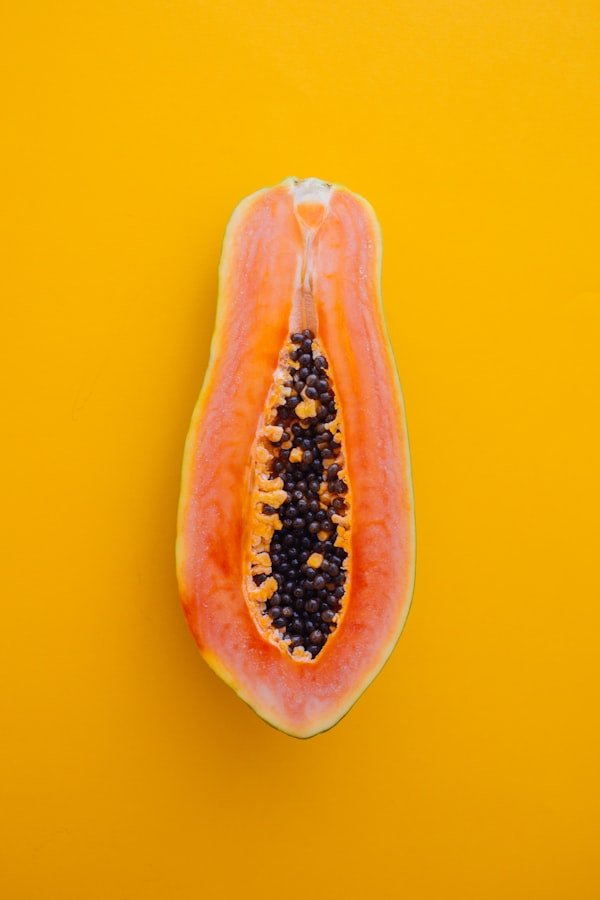
How to use: Blend papaya smooth, mix in ghee and honey. Apply on face and neck. Leave 15 minutes. Rinse gently. Papain enzyme in papaya gently exfoliates while ghee deeply nourishes.
Drink at least 8-10 glasses of water daily, and eat one source of healthy fat with every meal. Dry skin is almost always a hydration issue — solve it from inside first.
Combination skin has an oily T-zone (forehead, nose, chin) and dry cheeks. It needs a balanced approach — neither too drying nor too rich.
Best for: Balancing oil and dryness simultaneously
How to use: Mix to form a paste. Apply on full face. Oats absorb T-zone oil while curd and honey moisturize dry cheeks. Leave 15 minutes, rinse with lukewarm water.
Treat your face as two different zones. The T-zone needs oil control while cheeks need hydration. One product for the whole face rarely works for combination skin.
Sensitive skin reacts easily to products, weather, and foods. It needs the gentlest approach — both in what you eat and what you apply.
Best for: Calming redness and irritation
How to use: Mix gently. Patch test on jaw first. If no reaction in 10 minutes, apply on face. Leave 10-12 minutes only. Rinse with cool water. Use once weekly maximum.
Always patch test ANY new ingredient — even natural ones — on your inner wrist or behind the ear for 24 hours before applying to your face. Sensitive skin can react to anything, including "natural" remedies.
Acne is primarily an internal issue — hormonal imbalances, gut inflammation, and insulin spikes all trigger breakouts. Fix the inside, and the outside follows.
Best for: Active breakouts and preventing new ones
How to use: Mix into paste with rose water. Apply avoiding eye area. Leave 15 minutes (not until fully dry — that's too harsh). Rinse with lukewarm then cool water. Use 2-3 times weekly.
Best for: Individual pimples overnight
How to use: Mix tiny amount, dab directly on active pimple only. Leave overnight. Turmeric is antibacterial; honey draws out impurities. Wash off in morning.
Track your breakouts with your menstrual cycle. If acne worsens before periods, it's hormonal — and food changes (reducing dairy and sugar, increasing zinc and omega-3) can make a dramatic difference within 2-3 cycles.
Regardless of your skin type, these Indian foods benefit everyone's skin.
Anti-inflammatory, antibacterial, brightening. Add ½ tsp to milk daily or use in face packs.
Glow Booster
Hydrating, healing, soothing. Drink 2 tbsp juice morning or apply fresh gel on skin.
Healing
Natural exfoliant, rich in Vitamin A & C. Eat daily or mash and apply as face pack.
Brightening
Flax, pumpkin, sunflower seeds + almonds, walnuts. Vitamin E, zinc, omega-3 powerhouse.
NourishingSomething as basic as face washing — most people do it wrong.
Over-washing: Max 2-3 times daily. More stripping = more oil production.
Hot water: Damages skin barrier, causes redness and dryness.
Harsh scrubbing: Micro-tears in skin invite bacteria. Be gentle always.
Dirty towel: Change face towel every 2 days. Old towels harbor bacteria.