Have you noticed that your skin always breaks out before a big event? Or that dark circles appear during stressful work weeks? That your skin looks 10 years older during emotionally difficult times? This isn't coincidence — it's cortisol.
What Stress Does to Your Skin
When you're stressed, your body releases cortisol — the "stress hormone." In short bursts (running from danger), cortisol is life-saving. But chronic stress means chronically elevated cortisol, and your skin pays the price:
1. Cortisol Triggers Breakouts
High cortisol increases sebum (oil) production. More oil + stress-related inflammation = perfect storm for acne. This is why "stress acne" typically appears on the forehead, jawline, and chin — areas most sensitive to hormonal fluctuations.
2. Cortisol Breaks Down Collagen
Cortisol is catabolic — it breaks things down. Including collagen and elastin in your skin. Chronic stress literally ages your skin faster. Studies show that high-stress individuals have significantly more wrinkles and skin thinning than their low-stress peers of the same age.
3. Cortisol Impairs Skin Barrier
Your skin has a protective barrier that keeps moisture in and irritants out. Cortisol weakens this barrier, leading to:
- Dehydrated, dull skin that feels "tight"
- Increased sensitivity to products that previously worked fine
- Slower wound healing — cuts and pimples take longer to heal
- Increased susceptibility to infections and irritation
4. Cortisol Disrupts Sleep
High evening cortisol prevents deep sleep. Your skin does 60% of its repair between 10 PM – 2 AM during deep sleep. No deep sleep = no skin repair = accumulated damage showing as dullness, dark circles, and premature aging.
The Stress-Skin Cycle
Here's the cruel irony: stress causes skin problems, and skin problems cause stress. Waking up with a breakout before an important day increases anxiety, which raises cortisol, which makes the breakout worse. Breaking this cycle requires addressing stress directly — not just treating symptoms topically.
How to Manage Stress for Better Skin
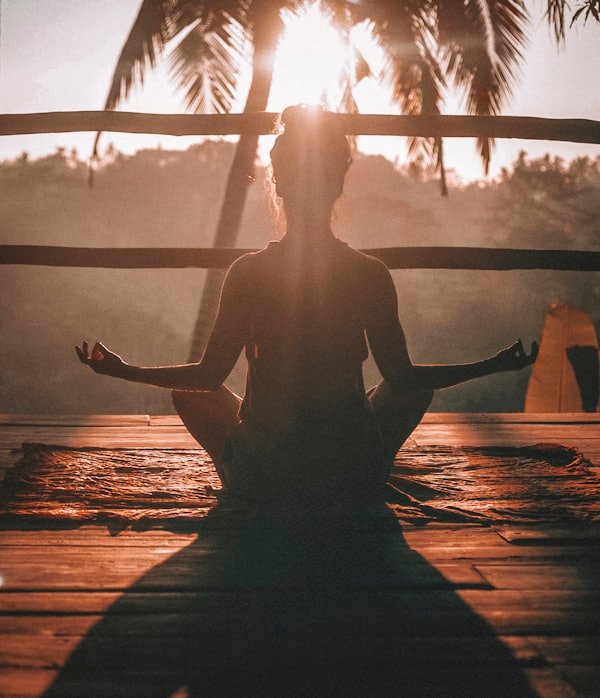
1. Pranayama (Breathing Exercises) — 5 Minutes Daily
The fastest cortisol reducer available. Your breath directly controls your nervous system.
- Anulom Vilom (Alternate Nostril): 5 minutes. Balances nervous system, reduces cortisol within minutes. Do before bed for better sleep.
- 4-7-8 Breathing: Inhale 4 counts, hold 7, exhale 8. Activates parasympathetic (calm) system. Do when you feel anxious.
- Box Breathing: 4 counts inhale, 4 hold, 4 exhale, 4 hold. Used by Navy SEALs for stress management. Works immediately.
2. Foods That Lower Cortisol
Yes, you can eat your way to lower stress levels:
- Ashwagandha: Proven adaptogen that reduces cortisol by up to 30%. Take ½ tsp powder in warm milk at night.
- Dark chocolate (70%+): Flavonoids reduce cortisol. 2 squares daily is medicinal.
- Chamomile tea: Directly calms nervous system. Drink in evening.
- Bananas: B6 + magnesium + tryptophan = natural stress relief.
- Curd/Yogurt: Probiotics communicate with brain via gut-brain axis, reducing anxiety.
- Walnuts: Omega-3 reduces cortisol response to stress.
- Holy Basil (Tulsi) tea: Adaptogen that normalizes cortisol levels over time.
3. Sleep Hygiene — Non-Negotiable
Sleep is when skin heals. Protect it fiercely:
- Stop screens 1 hour before bed (blue light suppresses melatonin)
- Room should be cool, dark, and quiet
- Consistent sleep time (even weekends) — your body has a clock
- Golden milk (haldi doodh) 30 minutes before bed — turmeric + warm milk = perfect sleep drink
- Lavender oil on pillow or diffuser — shown to improve deep sleep quality
4. Movement — But the Right Kind
Exercise reduces cortisol, but over-exercising raises it. For skin health:
- Best: Yoga, walking, swimming — moderate, enjoyable movement
- Good: Dancing, cycling, moderate gym — fun and effective
- Careful: Intense HIIT daily, marathon training — can spike cortisol if you're already stressed
- 30 minutes of moderate movement, 5 days a week is the sweet spot for cortisol management
5. Digital Detox Hours
Social media comparison, news anxiety, constant notifications — all raise cortisol continuously. Your skin feels this.
- No phone first hour after waking (cortisol is naturally highest in morning — don't spike it further)
- No phone last hour before bed
- Mute notifications that aren't essential
- Unfollow accounts that make you feel inadequate (comparison = cortisol)
Emergency Stress-Skin Protocol
Big event tomorrow and you're stressed? Here's Dr. Suvigya's emergency protocol:
- 10 minutes pranayama (immediately lowers cortisol)
- Drink chamomile tea with honey
- Apply chilled cucumber slices on face (reduces inflammation and puffiness)
- Haldi doodh before bed
- Sleep by 10 PM — let your body do its repair work
- Morning: splash cold water, apply aloe vera gel, eat a nutrient-rich breakfast
Dr. Suvigya's Perspective
"In my practice, I've seen women spend thousands on skin treatments while ignoring their stress levels. I tell them — your best skincare product is a good night's sleep, and your best anti-aging treatment is managing your cortisol. No serum in the world can undo what chronic stress does to skin. Address the root cause."
The 21-Day Stress-Skin Challenge
Commit to these for 21 days and photograph your skin on Day 1 vs Day 21:
- 5 minutes pranayama morning and night
- No screens 1 hour before bed
- One cortisol-lowering food daily (ashwagandha, tulsi tea, or dark chocolate)
- 30 minutes gentle movement
- Sleep by 10:30 PM
Most women report visible skin improvement by Day 14 — less breakouts, more glow, fewer dark circles. By Day 21, it becomes a habit. Try it.